protecting and connecting your favorite wild places

Protecting and Connecting your Favorite Wild Places
What We Do
- Advocate for the connectivity and integrity of Virginia’s lands and waters.
- Influence decision makers by mobilizing citizens like you.
- Empower citizens, landowners, and others to address threats to our wild places.
- Convene stakeholder groups to amplify impact.
- Connect people to the outdoors because we protect the places we know and love.
Learn more

EVENTS
FACEBOOK FEED

Dr. Eric Roy, founder of Hydroviv joins the Wild Virginia Virtual Coffee Talk podcast to talk about his motivations to start the organization (the water crisis of Flint) and the dangers of #PFAS.
Water Filter Company Featured on Shark Tank Shares Information on PFAS - Wild Virginia
wildvirginia.org
Dr. Eric Roy, founder of Hydroviv, shares content on PFAS. He joins the podcast to discuss why some states have protections and others don’t.0 CommentsComment on Facebook
Happy Earth Day from all of us at Wild Virginia! Today is a day to celebrate the achievements of the environmental movement and raise awareness about the work that still needs to be done. You can support the very important work we do to protect Virginia's water quality, improve habitat connectivity, and fight the Mountain Valley Pipeline by making a donation today!
Are you looking for ways to celebrate Earth Week? Attend our free webinar this Thursday, April 25th at 6:30pm to learn about the impacts of PFAS on wildlife. RSVP here: www.eventbrite.com/e/learn-about-how-toxic-chemicals-affect-wildlife-tickets-860964978427
1 CommentComment on Facebook
P.S Come say hi to us at UVA's Earth Day Eco-Fair any time between 12 and 3pm! UVA Sustainability sustainability.virginia.edu/uvas-earth-day-eco-fair-2024
LATEST BLOG
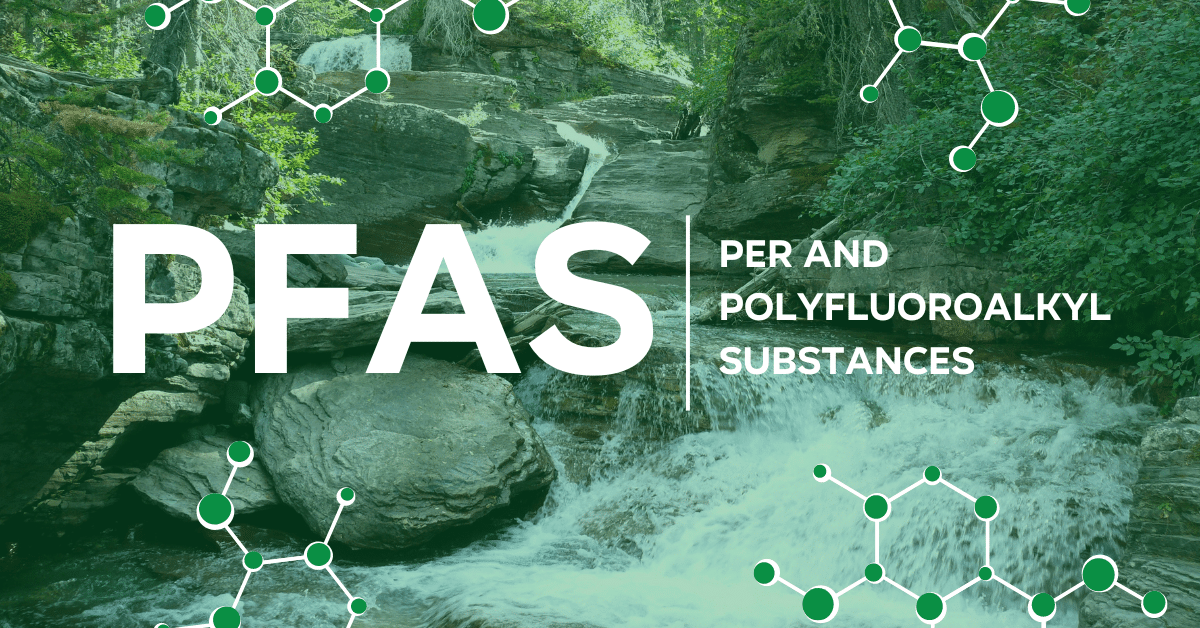
Water Filter Company Featured on Shark Tank Shares Information on PFAS
In the spring of 2015, Dr. Eric Roy received word from a former Environmental Protection Agency (EPA) member regarding elevated lead levels in Flint, Michigan’s water. At that time, the residents of Flint were unaware of the water’s contents and long before the city faced a public health emergency. Roy, a chemist specializing in water… Read more